I recently found a can of beans in the back of my pantry, buried behind a row of newer groceries. The date on it had long passed, and for a moment, I hesitated. Was it still safe to eat? Like many of us, I’ve been conditioned to view expiration dates as hard deadlines, assuming that anything past its printed date belongs in the trash. But as I’ve since learned, those dates are more about quality than safety.

Every year, people throw away perfectly good food because they misunderstand expiration labels. Here, we’ll clarify what those dates really mean, help you distinguish between food that’s truly gone bad and food that’s still fine, and ultimately guide you toward smarter, less wasteful decisions.

What Do Those Dates Actually Mean?
Expiration dates can be confusing, and that’s partly because they aren’t federally regulated, except for infant formula. Instead, they’re guidelines set by manufacturers, typically reflecting peak quality rather than safety. Let’s break down the common terms you’ll see on food packaging:
- “Sell By”: This is meant for retailers, not consumers. It’s a stock rotation tool, ensuring stores move older products off the shelves. It does not indicate spoilage.
- “Best By”: This refers to when the product is at its best quality, flavor, and texture. It doesn’t mean the food is unsafe after this date.
- “Use By”: This is the closest thing to an actual expiration date, but even this is usually about quality rather than safety.
I used to think “use by” meant “toss by,” but now I know better. Armed with this knowledge, you can stop throwing out food unnecessarily and start relying on your senses to determine what’s still good. Cream of mushroom green bean casserole was the result of this very learning.
Foods That Last Way Longer Than You Think
Some foods have a much longer lifespan than their packaging suggests. Here are some common items that remain safe well beyond their printed dates:
Dry Pantry Staples
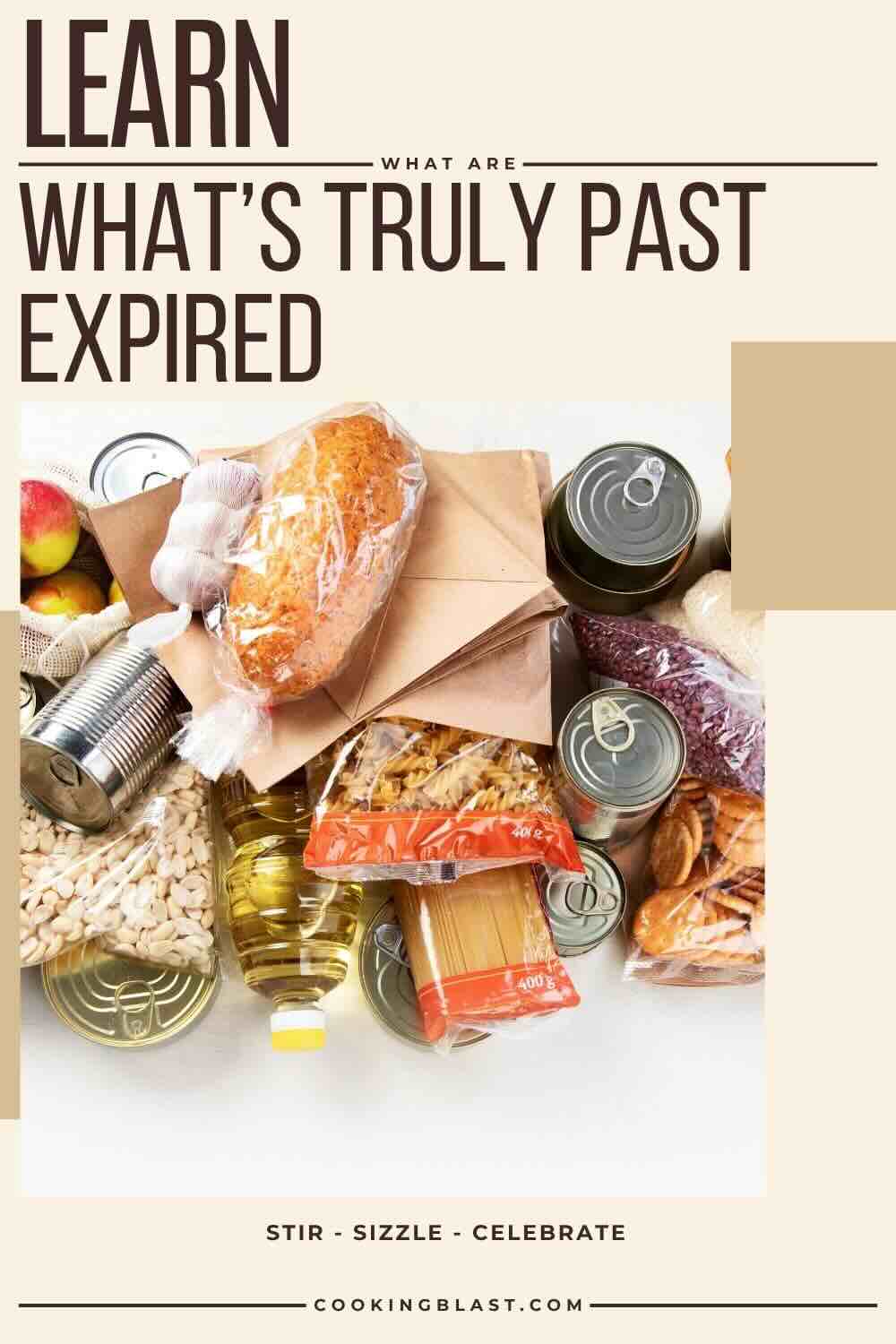
Dry goods are some of the most shelf-stable foods in your kitchen, often lasting far beyond their printed dates when stored properly.
- Dry pasta, rice, and beans: If stored properly in a cool, dry place, these can last for years beyond their “best by” date.
- Canned goods: Most canned foods are safe to eat 2-5 years past their date, sometimes even longer, unless the can is dented, rusted, or bulging.
Refrigerated Items
While refrigeration slows down spoilage, some foods can last much longer than expected if stored correctly.
- Yogurt: Often good for 1 to 2 weeks past its date if it smells and looks fine.
- Eggs: The float test is your best friend. Place an egg in water; if it sinks, it’s good; if it floats, it’s time to toss it.
- Cheese: Hard cheeses like cheddar are fine even with a little mold, just cut off the affected part.
Frozen Foods
Freezing preserves food indefinitely, but quality may gradually decline depending on storage conditions.
- Frozen vegetables, meats, and bread: As long as they’ve been kept at 0°F, they’re safe indefinitely, though quality may decline over time.

How to Spot Actual Spoilage
Expiration dates can be helpful, but your senses are the best tool for detecting truly spoiled food. Here’s what to watch for:
The Sniff Test
Your sense of smell is an excellent tool for determining food freshness. If something smells sour, rancid, or “off,” it’s best to discard it.
Visual Clues
Visual signs can help identify spoiled food before you even take a bite. Look out for these common indicators:
- Mold (except on hard cheeses or dry-cured meats)
- Discoloration or slimy textures
- Bulging cans or broken seals
Texture Changes
Changes in texture often signal that food is no longer safe to eat. Here are a few key things to watch for:
- Meat that feels sticky or slimy
- Bread that’s excessively dry or moldy
When in doubt, throw it out, but don’t let a date stamp make the decision for you.

Why This Matters: Reducing Food Waste
Food waste is a massive problem. In the U.S. alone, an estimated 30 to 40% of the food supply is wasted, much of it due to confusion over expiration dates. This not only costs consumers money but also contributes to environmental harm, as wasted food in landfills produces methane, a potent greenhouse gas.
I used to toss items without a second thought, but now, I feel good about reducing waste, saving money, and making a positive impact on the planet.
Final Thoughts
Expiration dates are guidelines, not strict rules. Many foods are safe well beyond their printed dates, and by using your senses instead of relying solely on labels, you can waste less and eat smarter. Next time you find that forgotten yogurt or canned soup in the back of your fridge, don’t panic, chances are, it’s still perfectly fine to eat!
Take a moment to rethink your habits. Before you toss something, check it first! And if you’ve ever eaten “expired” food without any problems, share your experience with others to help break the myth of misleading expiration dates.
Pin Now and Savor Later
Need Support or have Questions? Join us on Facebook.
Follow us on Pinterest, Instagram, TikTok, Flipboard, or YouTube.
For weekly New Recipes and a FREE E-Book get into our NEWSLETTER.
