I’ll never forget the time I opened my pantry, ready to bake a batch of my favorite chocolate chip cookies, only to find tiny insects crawling in my flour. It was a frustrating and costly discovery, one that made me rethink how I stored my baking ingredients. Since then, I’ve learned that proper storage is essential for maintaining freshness, preventing waste, and avoiding unpleasant surprises.
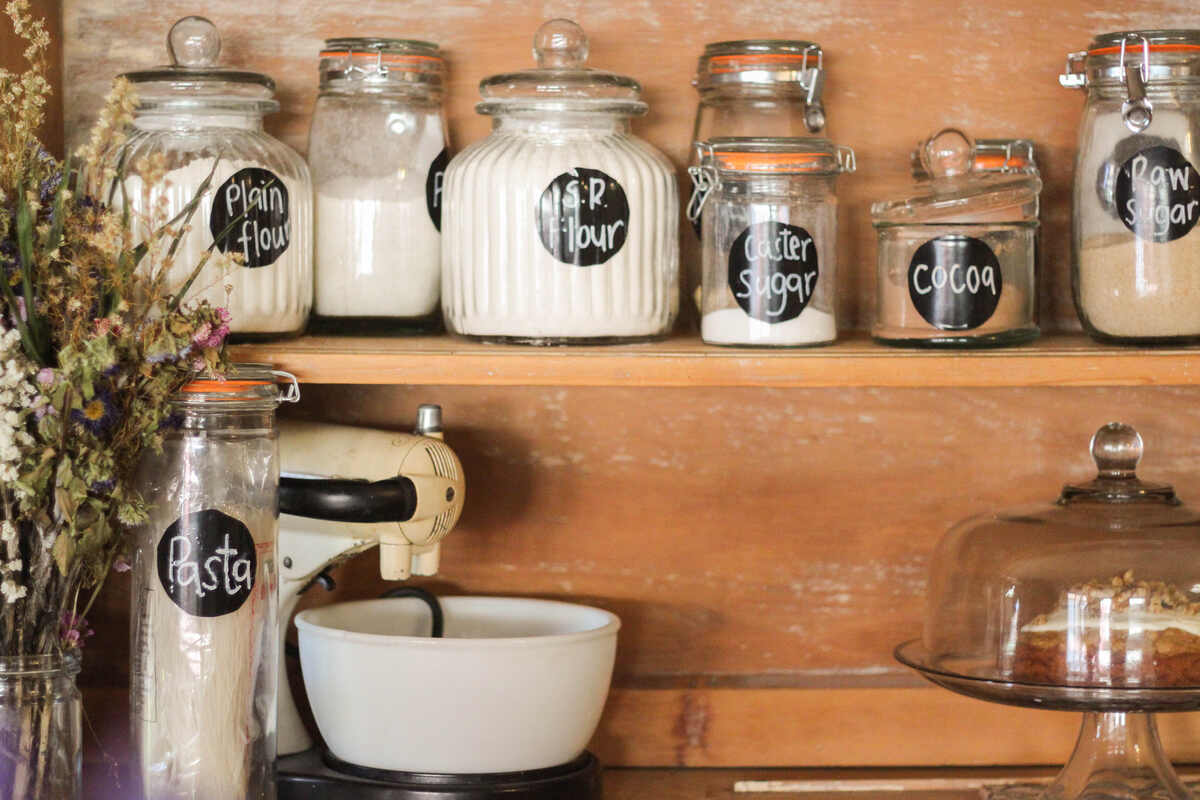
Today, I’ll share the best ways to store flour, sugar, and other baking essentials to keep them in perfect condition.

Why Proper Storage Matters
Baking ingredients are sensitive to air, light, and moisture. If stored improperly, they can become stale, clump together, or even attract pests. I once made the mistake of leaving a bag of flour in its original packaging, only to find it had absorbed moisture from the air, making my baked goods dense and unpleasant. Proper storage not only keeps your ingredients fresh but also saves money by reducing waste and ensuring that everything is ready to use when inspiration strikes.
The Best Containers for Storing Dry Ingredients
Choosing the right storage containers is crucial for keeping your baking ingredients fresh and free from contamination. The right containers will help prevent moisture buildup, pest infestations, and ingredient deterioration.
Airtight Containers
Keeping ingredients in airtight containers is the best way to prevent moisture absorption and deter pests. I recommend using glass jars, food-grade plastic containers, or stainless steel canisters, as each material has its advantages. Personally, I prefer glass jars because they’re durable, easy to clean, and allow me to see exactly what I have at a glance.
Labeling and Sizing
Labeling each container with the ingredient name and purchase date helps keep track of freshness. I also suggest using appropriately sized containers to minimize air exposure, smaller containers for ingredients you use infrequently and larger ones for staples like flour and sugar.

Ideal Storage Conditions
Baking ingredients last longer when stored in a cool, dark place like a pantry or cupboard. Exposure to heat and humidity can cause spoilage, so avoid keeping ingredients near stoves, dishwashers, or sunny windows.
Pro Tip: To keep my baking essentials organized, I use stackable bins and arrange frequently used ingredients at eye level. This way, I can quickly grab what I need without shuffling through cluttered shelves.
Special Tips for Flour
Flour is a staple in every baker’s pantry, but improper storage can lead to spoilage or infestations. Following the right methods will ensure your flour stays fresh and safe for use.
Freezing Flour
A great way to prevent weevils in flour is to freeze it for 48 hours before transferring it to an airtight container. This simple trick kills any potential eggs and extends the flour’s shelf life. I learned this the hard way after once discovering an infestation in an unopened bag of flour; since then, I always freeze new flour before storing it.
Long-Term Storage
For long-term storage, especially for whole-grain flours that spoil faster, keeping flour in the freezer is the best option. Simply allow it to come to room temperature before using to avoid clumping.
Storing Sugar and Other Dry Goods
Granulated sugar is best stored in airtight containers to prevent it from absorbing odors or moisture. Powdered sugar should also be kept sealed to avoid clumping. Brown sugar, on the other hand, has a tendency to harden. I use a terra cotta disc or a marshmallow to keep mine soft; both work like magic. These tips are the reason why you will have the best homemade strawberry ice cream.
Here are some other baking essentials:
- Baking powder & baking soda: Store in airtight containers in a cool, dry place.
- Cocoa powder: Keep sealed and away from heat to prevent flavor degradation.
- Spices: Store in airtight jars in a dark, cool location to preserve their potency.
To maintain freshness, I rotate my stock by using older ingredients first and replenishing my pantry as needed.

Preventing Pests
Pantry pests like weevils and moths can be a nightmare. They often come from already-infested grocery store packaging, so it’s essential to inspect dry goods before storing them.
Here are some prevention tips:
- Regularly clean your pantry, wiping down shelves to remove any potential food particles.
- Store dry goods in airtight containers rather than leaving them in their original packaging.
- Use natural deterrents like bay leaves or cloves in your pantry to keep pests at bay.
I once had to throw away almost an entire shelf’s worth of dry goods due to a moth infestation. Now, I’m diligent about checking packages and using airtight storage.
Frequently Asked Questions
Baking ingredient storage can be confusing, especially when it comes to shelf life and whether refrigeration or freezing is necessary. Here are answers to some common questions to help you keep your pantry in top shape.
How long do baking ingredients last?
Knowing the shelf life of your baking essentials helps prevent waste and ensures your ingredients remain fresh for the best possible results.
- All-purpose flour: 6 to 12 months (longer if frozen)
- Whole wheat flour: 3 to 6 months (longer if frozen)
- Granulated sugar: Indefinitely if stored properly
- Brown sugar: Indefinitely, but can harden
- Baking powder: 6 months to 1 year
- Baking soda: Up to 2 years
- Cocoa powder: 2 to 3 years
Can I store ingredients in their original packaging?
While it may seem convenient, original packaging is often not airtight and can allow moisture and pests in. Transferring ingredients to airtight containers is the best practice.

Should I refrigerate or freeze baking ingredients?
Some ingredients benefit from refrigeration or freezing, while others do not. Understanding when and how to store them properly will help extend their usability and maintain quality.
- Refrigerate nut flours to extend their shelf life.
- Freeze flour if you want long-term storage or protection against pests.
- Avoid refrigerating granulated sugar, as moisture can cause it to clump.
Wrapping Up
Proper storage of baking ingredients is essential for maintaining freshness, preventing pests, and ensuring your ingredients are always ready for use. By using airtight containers, storing in cool and dark places, freezing flour when necessary, and staying vigilant against pests, you can keep your pantry well-stocked and baking-ready.
I encourage you to try these tips and see the difference they make in your own kitchen. Do you have any favorite storage hacks? Share them in the comments below.
Pin Now and Savor Later
Need Support or have Questions? Join us on Facebook.
Follow us on Pinterest, Instagram, TikTok, Flipboard, or YouTube.
For weekly New Recipes and a FREE E-Book get into our NEWSLETTER.
