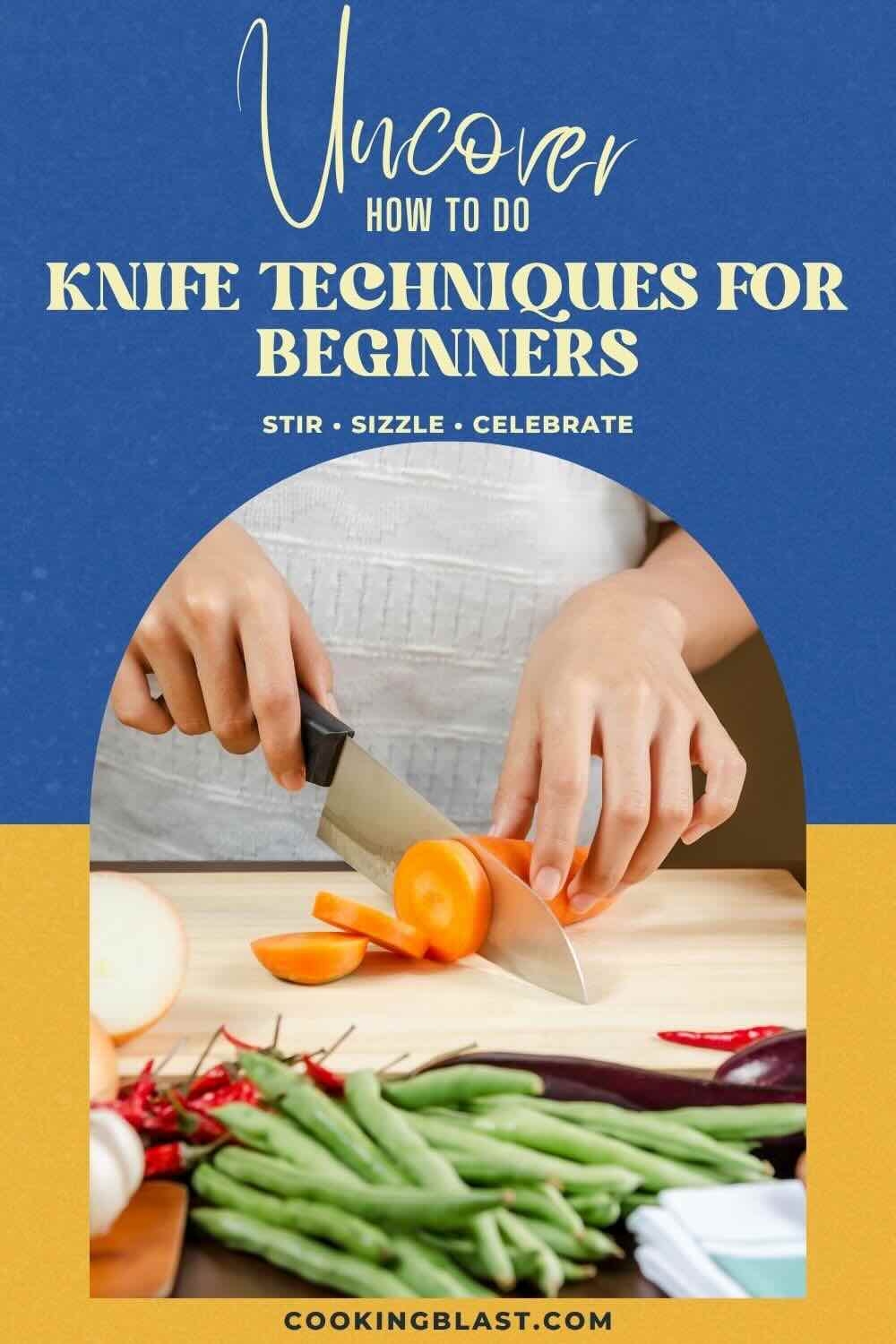
When I first started cooking, I figured as long as I had a knife, I was good to go. I’d hack away at veggies, hoping for the best, but my cuts were uneven, my prep took forever, and somehow, my fingers always felt a little too close for comfort. I didn’t realize how much I needed the skills covered in Knife Skills 101, the cuts every home cook should know. It wasn’t until I learned proper knife skills that everything changed.

Why Knife Skills Matter
Learning how to cut properly changed the way I cook. Before, my ingredients cooked unevenly; some pieces were raw while others were nearly burned. When my cuts are the same size, food cooks evenly across the pan, which means fewer burnt edges, better texture, and more flavor in every bite.

Good technique also speeds up prep time. I no longer waste energy hacking through onions or chasing runaway carrots across the cutting board. And the right cut doesn’t just improve texture, it also makes dishes look more appealing on the plate.
Essential Knife Cuts Every Cook Should Know
Mastering different knife cuts isn’t just about looking professional, it’s about efficiency, safety and bringing out the best in your ingredients. Once I learned how to make precise cuts, cooking became faster, easier, and way more enjoyable.
Chop
The chop was the first cut I learned. It’s quick and rough, ideal for herbs and vegetables when precision isn’t a priority. Use it for soups, stews and stir-fries where texture doesn’t have to be perfect.
Dice
Dicing was a game-changer. Creating uniform cubes means my ingredients cook evenly, no half-raw chunks next to overcooked bits. I usually go with medium dice for sautés and salads, but I adjust depending on the recipe. Once you get the hang of ¼-inch, ½-inch, and ¾-inch cubes, you can work faster without thinking about it.
Julienne
Julienne cuts took me some practice. Thin matchsticks of carrots or bell peppers really elevate a dish’s look and texture. Use this cut for slaws, garnishes and stir-fries when you want ingredients to cook quickly and still hold a bit of crunch.
Mince
Mincing is about finesse. I mostly use it for garlic, onions, mushrooms, and herbs when I want them to melt into a dish. The smaller the cut, the more surface area you create, and that means more flavor. I’ve learned that a good mince makes sauces and dressings pop.
Knife Safety Tips
No matter how confident I feel, I never skip safety. A sharp knife is safer than a dull one because it requires less force and gives me better control. I use the “claw grip” to keep my fingers tucked and out of the blade’s path.
A stable cutting board is non-negotiable. If it slips, so can the knife. Keep a damp towel underneath to hold it in place. And when you’re done, store your knives in a block or on a magnetic strip to protect the blades and your hands.

The Importance of a Sharp Knife
A clean cut reduces bruising, which helps keep produce looking vibrant and lasting longer. When the blade glides through without crushing, the texture and freshness hold up better. This was proven when I made my green bean casserole. Sharp knives also give me more control; whether I’m peeling a tomato or slicing an onion into paper-thin rings, I can work with accuracy and ease. I even achieved the perfect sear on the meat, or when cutting meat for steak.
I hone my knives regularly between sharpening sessions, as it keeps the edge aligned and the blade working efficiently. With a sharp knife, I feel more in control and a lot less stressed.
Confidence in Every Cut
Knife skills don’t have to be intimidating. Once you get the hang of a few basic cuts, everything in the kitchen just clicks. You’ll chop faster, prep meals more easily and actually enjoy the process instead of dreading it. No need to rush or be perfect right away; just keep practicing, and before you know it, slicing and dicing will feel effortless.
Pin Now and Savor Later
Need Support or have Questions? Join us on Facebook.
Follow us on Pinterest, Instagram, TikTok, Flipboard, or YouTube.
For weekly New Recipes and a FREE E-Book get into our NEWSLETTER.
