I don’t like wandering aimlessly down grocery aisles, hoping inspiration will strike. Ingredient knowledge and shopping tips keep me grounded; they’re how I avoid impulse buys and make smart choices, whether I’m loading up on produce, choosing meat, or restocking my pantry. When I know what I’m doing, shopping feels less like a chore and more like a quiet kind of confidence.

How to Choose Fresh Produce
I’ve tested plenty of produce, tapping melons, tugging at corn husks, checking the snap of green beans. Knowing what to look for makes produce shopping feel less like a guessing game and more like a quick, satisfying win.

Check Color and Texture
When I pick up produce, I treat it like a first impression; bright color and firm texture usually mean we’re off to a good start. I give it a gentle press, check for bruises or soft spots, and if something looks dull or feels mushy, I leave it behind.
Look Under the Leaves
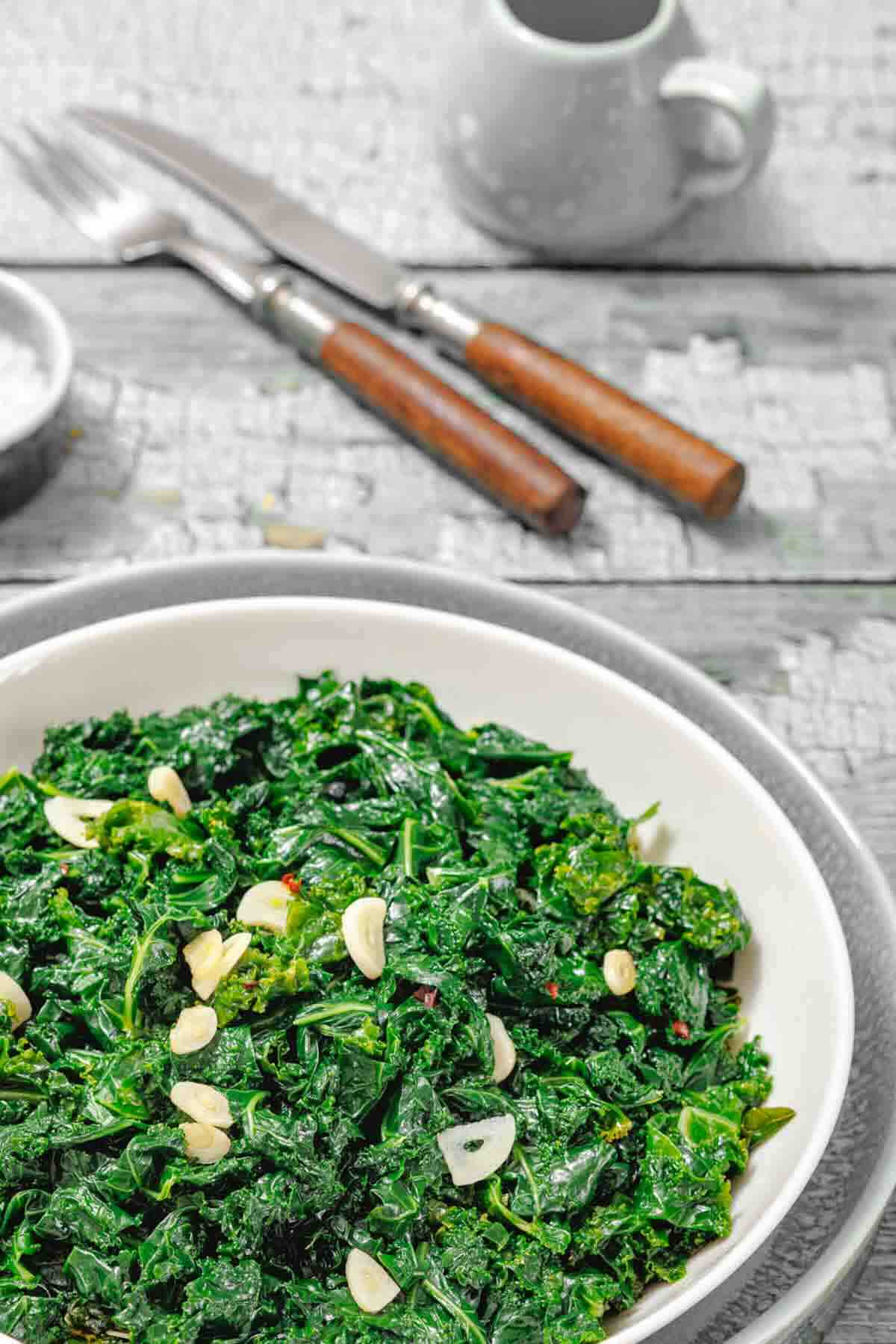
Leafy greens like to play tricks, I learned this the hard way when I was planning to make my kale recipe. What looks great on top might be hiding a soggy mess underneath. I give the bunch a little shake or gently pull it apart to make sure the whole thing is in good shape, not just the outer leaves.
Choose In-Season Produce
When something’s in season, you can taste the difference. It’s juicier, fresher and often cheaper. I like to plan meals around what’s growing right now, it keeps things interesting and usually means better flavor without the premium price tag.
Check Stems and Ends
The ends tell the story. If the stem of a pepper looks shriveled or the bottom of a strawberry is turning mushy, it’s probably not the freshest batch. Always flip or turn things over to check both sides; one quick glance isn’t enough.
Shop Local When You Can
Local markets are my favorite, not just because the produce is usually fresher, but because I can chat with the folks who grew it. I get tips on what’s tasting good that week and sometimes even ideas on how to cook it. Plus, there’s something nice about knowing where your food comes from.
Picking Quality Meat
Meat counters used to stress me out, but once I got the hang of what fresh actually looks and smells like, it started feeling a lot more manageable, and way less wasteful.
Watch Color and Texture
Color and texture are your first clues. I look for meat that matches what I expect; chicken should be light pink and moist, not dry or gray. Beef should have good marbling and a rich red tone, so you can have that perfect crust when searing. Anything slimy or off-smelling goes back on the shelf, no second chances.
Read Packaging Dates
I treat packaging dates like little cheat codes. I always check the sell-by or use-by dates, and I prefer vacuum-sealed meat when I can get it; it usually stays fresher longer and avoids those leaky surprises in the fridge.
Selecting and Storing Pantry Staples
Pantry staples are like the quiet heroes of my kitchen. A little planning and smart storage go a long way in helping me keep meals easy and stress-free.
Check Expiration Dates
Expired pantry items have tricked me before: old spices, stale crackers, even funky flour. Now, I do quick date checks every time I shop or reorganize. It’s a simple step that saves money and prevents surprise flavor fails.
Buy Smaller Amounts
It’s tempting to buy the big bag because it’s cheaper per ounce, but I’ve learned that smaller batches usually win. I get fresher grains and fewer forgotten bags of quinoa hiding in the back of the cupboard.
Use Airtight Containers
Airtight containers changed my pantry game. No more mystery spills or stale oats. I use glass jars for things like flour, nuts, and lentils, not just because they work, but because they look nice too.

Rotate Pantry Items
Rotation is the name of the game. I move the older stuff to the front and make sure I’m using it before it gets too old. It keeps things fresh and prevents me from buying duplicates I don’t need.
Fresh, Frozen, or Processed?
I used to think fresh was always better, until I discovered how handy frozen veggies could be. Each type has a role, and now I know how to make them work for me.
Use Fresh When Possible
When I’ve got the time, I go for fresh. The flavor’s better, and I get to be picky about what goes into my meals, no preservatives, no guesswork. Fresh food usually has the highest nutritional value when it’s in season and eaten shortly after harvest.
Frozen Works Too
Frozen veggies have rescued dinner more times than I can count. I keep a stash of peas, spinach and berries in the freezer; they’re quick, easy and surprisingly close in nutrition to fresh options. In fact, many frozen fruits and veggies are picked and flash-frozen at peak ripeness, locking in nutrients better than out-of-season fresh ones.
Be Mindful With Processed
I’ve made peace with some processed foods. Things like canned beans and tomato paste are regulars in my kitchen. But I always read the label, if the ingredients list reads like a science experiment, I usually pass. Processed foods vary widely; some are minimally processed and convenient, while others are loaded with preservatives, sodium and added sugars. Just try to be more selective.
Decoding Food Labels
I don’t need fancy buzzwords to make good choices, I just want the facts. Learning how to actually read labels has saved me time, money and a whole lot of second-guessing.
Ignore Buzzwords
Words like “natural” and “wholesome” sound great, but they’re often meaningless. Skip the front-of-package hype and flip it over to get the real info. It’s the ingredient list and nutrition label that actually matter.
Understand Organic
“Organic” can be worth it, especially for items where pesticides tend to stick around, like berries or spinach. I look for the USDA Organic label when I want to be sure it meets the standard, not just a fancy font on the box.
Know Grass-Fed Terms
The term “grass-fed” refers to cattle that were fed a diet of grass rather than grains. But here’s where it gets tricky: not all grass-fed beef is created equal. Some cattle start on grass and are later switched to grain, unless the label also says “grass-finished.” That extra detail means the animal was raised on grass for its entire life. This distinction can affect everything from nutritional value to taste, with grass-finished beef typically containing more omega-3 fatty acids and a slightly different flavor profile.,” which adds clarity.
Read the Back Label
The front is designed to sell, but the back is where the truth lives. I always read the ingredient list. If I don’t recognize something or can’t pronounce it, I think twice. Clean, simple ingredients win every time.
Smart Ingredient Storage Tips
I’ve thrown out my fair share of wilted herbs and mystery leftovers. Figuring out simple storage tricks has helped me waste less and eat better without much effort.

Store Produce Properly
Some fruits like the fridge, others hate it. I keep apples, citrus and berries chilled, but I leave tomatoes and bananas on the counter where they stay juicy and full of flavor. Avoid crowding drawers so air can circulate.
Keep Herbs Fresh
I treat herbs like little bouquets. I trim the stems, pop them in a glass of water and loosely cover the tops. Into the fridge they go, and they stay fresh way longer than if I just toss them in the crisper.
Store Meat Safely
Meat gets its own spot on the bottom shelf of my fridge, no exceptions. It’s the safest place to avoid drips and cross-contamination. If I’m not cooking it soon, I wrap it tightly and freeze it right away.
Organize Dry Goods
Dry goods love dark, cool places. I keep mine in airtight jars and label everything clearly so I know what’s what. Clear containers also mean I can spot when I’m running low before it becomes a problem.
Wrapping Up the Grocery Game
I didn’t learn all this overnight; it came from a lot of trial and error (and more than a few fridge clean-outs). But the more I paid attention, the easier it got. Now, shopping feels less like a checklist and more like an extension of how I want to eat. And honestly, that little shift? It trickles into every corner of my kitchen. I’m no longer just filling a cart, I’m making decisions that shape the way I cook, eat and feel every day.
Pin Now and Savor Later
Need Support or have Questions? Join us on Facebook.
Follow us on Pinterest, Instagram, TikTok, Flipboard, or YouTube.
For weekly New Recipes and a FREE E-Book get into our NEWSLETTER.
