A proper sear can turn a plain piece of meat into something craveable, and the secret isn’t just about using high heat. In fact, the secret to restaurant-style searing to get that perfect crust lies in understanding the Maillard reaction, which is a flavor-boosting chemical process that begins above 300°F and transforms texture and taste in minutes. Home cooks often miss this step or rush it, but once mastered, the results can rival high-end kitchens.
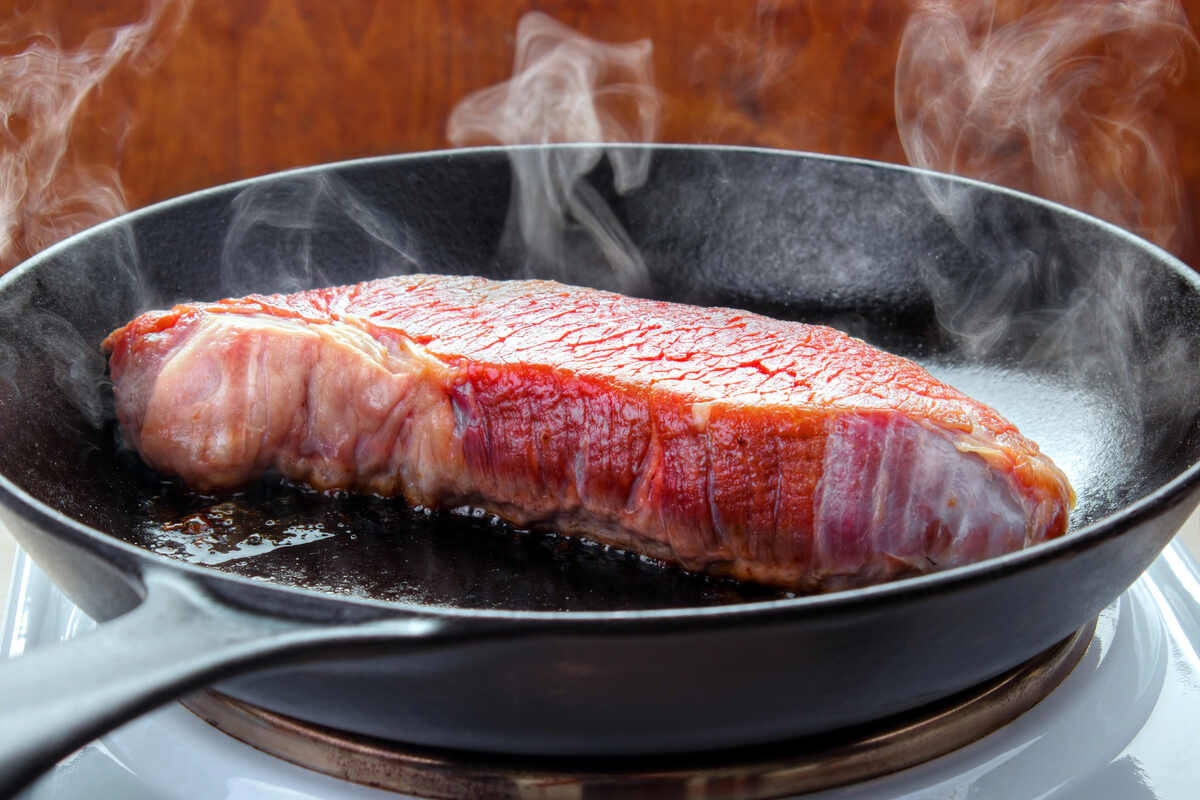
With the right techniques and knowing what to watch for, home cooks can control moisture, manage heat and let the crust develop undisturbed, with results consistently rivaling restaurant plates. Here’s how to break it down and build that golden-brown crust from the ground up.

What Searing Really Does
Searing is about chemistry. When high heat meets protein and natural sugars on the surface of food, it kicks off the Maillard reaction, which is a series of complex chemical changes that produce that signature browned crust and intense savory flavor. This only happens at high temperatures, usually above 300°F (150°C).
Contrary to popular belief, searing doesn’t seal in juices. Instead, it adds a depth of flavor and a pleasing texture that contrasts with the tenderness inside. That rich, roasted taste comes from browning, and it’s one of the key elements that uplifts a dish from home-cooked to restaurant-quality.
How to Prep for a Perfect Sear
Getting the crust right starts before anything hits the pan. This part is all about surface science, like how moisture, seasoning and timing work together to set up the sear.
Start with a Dry Surface
Moisture is the enemy of searing. Even a little dampness on the surface of meat or vegetables can create steam, which cools down the pan and blocks browning. Before cooking, take a few seconds to press the food between layers of paper towels, which is especially important for proteins like chicken or tofu that tend to retain water. A dry surface sets the stage for real caramelization, not a soggy sauté.
Salt at the Right Moment
Salt has a double role in searing, as it seasons and helps build the crust. But timing is everything. Salt draws out moisture, so adding it too early can make the surface damp and stall browning. The best move? Salt just before the food hits the pan, so the flavor gets in without compromising the sear.
Save the Spices for Later
Spices are sensitive to high heat and can burn fast in a searing-hot pan. That bitter, scorched flavor ruins more meals than it helps. Instead, try seasoning the food with spices after searing or during finishing steps like basting or sauce-making. This keeps the flavors sharp, aromatic and balanced.

Let It Sit, Let It Crust
Once the food hits the pan, the most important action is no action. Movement disrupts crust formation, and allowing the food to remain untouched for a couple of minutes gives the exterior time to caramelize and build texture. That stillness is what lets the pan do its job, creating the kind of golden crust that adds both flavor and contrast.
Flipping too early tears the crust and interferes with browning. When the surface releases naturally from the pan, it’s a good sign that the crust has formed. For a steak that’s about one inch thick, this usually takes two to three minutes per side, but color and smell are often better indicators than time alone.
Why Resting Still Matters
Resting happens after the sear, and it’s just as important as what happens in the pan. For meat, this pause gives the juices time to settle back into the fibers. If you use your knife skill and slice too soon, those juices spill out onto the plate instead of staying inside the cut. Just five minutes can make the difference between a dry bite and one that’s juicy and tender.
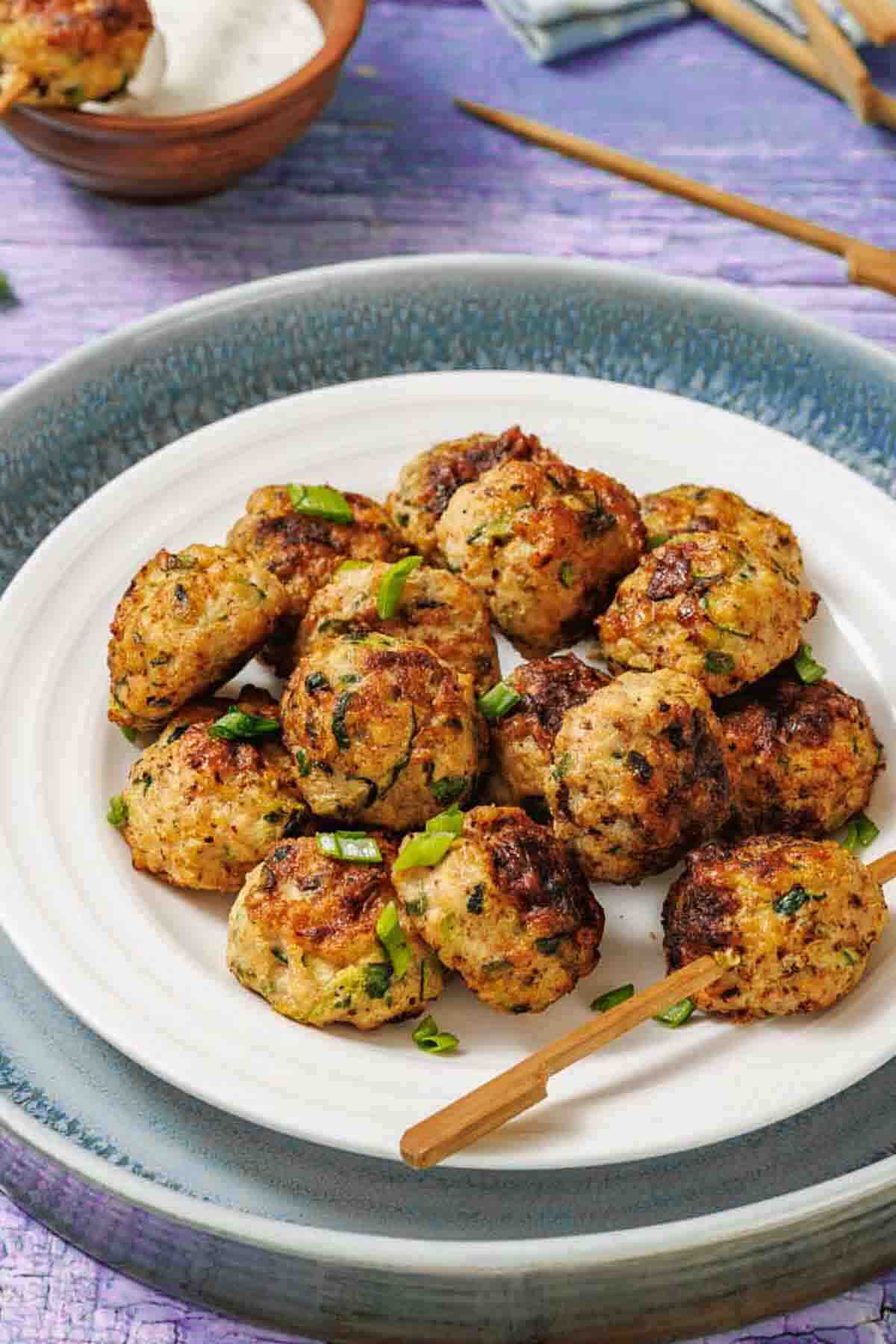
Vegetables like zucchini benefit, too, but for a different reason. After searing, they hold onto residual heat that continues to soften the inside without overcooking the crust. Letting them sit briefly helps lock in that firm-but-tender balance.
When the Crust Says It All
Getting a restaurant-style sear at home is a technical win with real results. The difference between a decent dinner and a crave-worthy meal often comes down to that golden, flavorful crust. It’s a detail chefs never skip, and more home cooks are starting to treat it the same way. Once the Maillard reaction is in motion and the crust is locked in, the dish practically announces its upgrade.
Pin Now and Savor Later

Need Support or have Questions? Join us on Facebook.
Follow us on Pinterest, Instagram, TikTok, Flipboard, or YouTube.
For weekly New Recipes and a FREE E-Book get into our NEWSLETTER.
