Mushrooms are a staple in many kitchens, known for their rich flavor and versatility. Their ability to absorb sauces, complement proteins, and stand alone as a main ingredient makes them incredibly useful. But one common habit, like rinsing, often works against the cook, as it causes them to be soggy and rubbery when cooked.

Skipping the rinse keeps their natural texture intact, allowing them to brown properly and develop deeper flavor. It’s a minor shift in prep, but it changes the way mushrooms behave in the pan, and ultimately, how they taste on the plate.

Why You Shouldn’t Rinse Mushrooms
Rinsing mushrooms might feel like the logical step, because after all, it’s how we clean most produce. But mushrooms are different. Their cell walls are highly porous, meaning they absorb water almost immediately. That extra moisture doesn’t evaporate quickly during cooking and turns into steam, causing the mushrooms to lose their ability to brown and crisp.
This is why rinsed mushrooms often end up limp, gray and lacking that satisfying texture. In recipes where caramelization or browning matters, like stir-fries, sautés or roasting, wet mushrooms just don’t deliver. Skipping the rinse protects their structure, enhances flavor and allows the heat to work its magic.
What to Do Instead
When rinsing isn’t the answer, dry-cleaning mushrooms becomes the go-to move. Explores simple and effective methods for getting mushrooms clean without sacrificing their texture.
Use a Damp Cloth or Brush
A simple wipe-down with a damp paper towel or a soft-bristled mushroom brush is often all that’s needed. These tools lift off bits of soil without soaking the mushroom. It’s gentle, precise and perfect for mushrooms grown commercially, like white buttons, creminis and portobello, which usually arrive mostly clean.
For textured varieties like maitake or oyster mushrooms, a soft brush reaches into folds without damaging the structure. This method not only keeps the mushroom dry but also preserves its shape and integrity in the pan.
Skip the Water
It’s tempting to run mushrooms under the tap like any other produce, but resist the urge. Their sponge-like cell structure means they’ll absorb water instantly, leaving them soggy before they even hit the heat. Even a quick rinse can throw off their moisture balance, causing them to steam rather than sear.
Preserve Their Cooking Potential
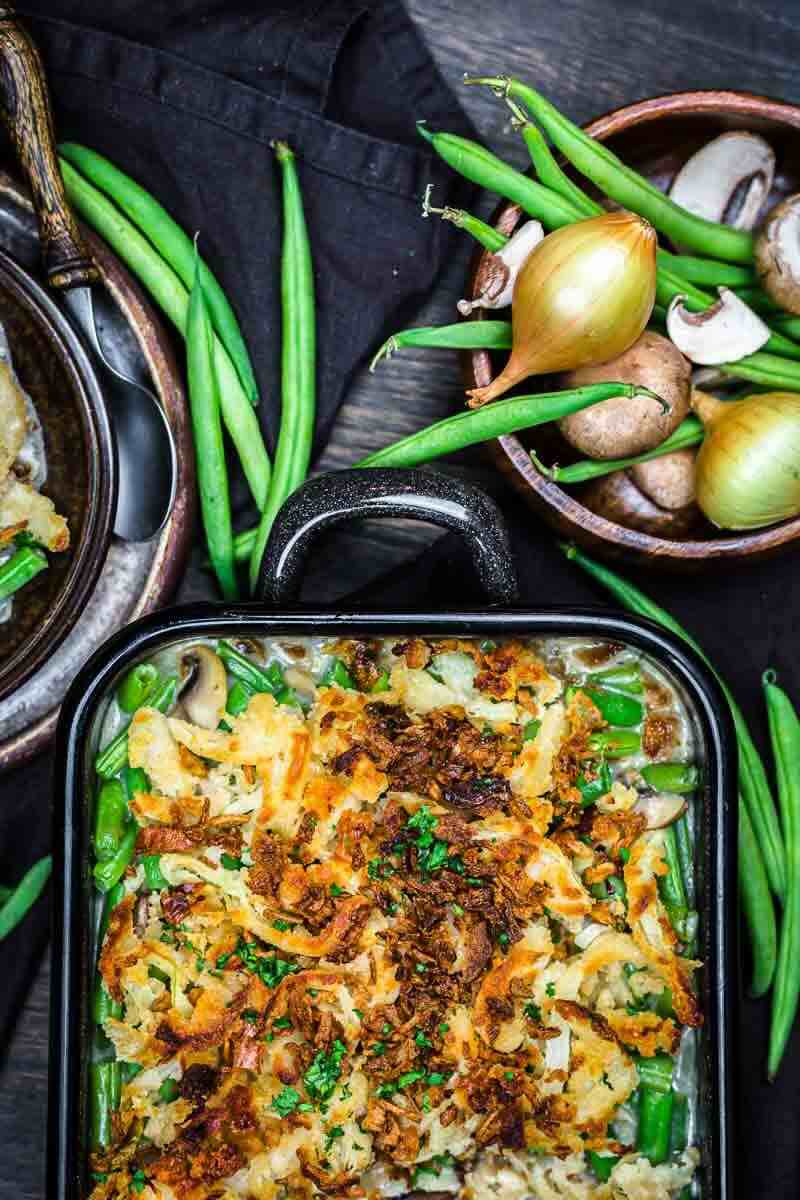
Dry mushrooms are cooking-ready mushrooms. Without excess moisture, they caramelize faster, hold their form better and absorb seasoning more efficiently. This matters in everything from cream of mushroom green bean casserole to sheet-pan dinners where texture and flavor are key.
Mushrooms that haven’t been rinsed take on oil, butter and aromatics more evenly, which enhances the dish as a whole. It’s a foundational prep step that boosts results with almost no added effort.
When Mushrooms Are Extra Dirty
Some mushrooms, especially wild ones, come with a bit more grit. In those cases, dry cleaning isn’t always enough. Here’s how to handle dirt-heavy mushrooms without turning them into soggy disappointments.
Rinse Only as a Last Resort
For mushrooms that are especially dirty, like wild morels or chanterelles covered in grit, a quick rinse might be the only option. In these cases, cold water is fine, but the key is to work fast. Never soak mushrooms or leave them sitting in water, even for a few minutes.
Their porous texture means they’ll drink up liquid quickly, turning soggy and dull in flavor. A fast rinse helps remove stubborn dirt, but it should always be followed by proper drying and immediate use.
Dry Immediately and Thoroughly
Once rinsed, mushrooms need attention right away. Spread them out on a clean kitchen towel and gently press another towel over them to blot excess water. Letting them sit for a few minutes helps any remaining surface moisture evaporate.
If mushrooms go into a pan still damp, they’ll steam instead of sear, and that beautiful, golden-brown finish will be gone. The drier they are, the better they’ll perform during cooking.

Use Right Away
Mushrooms that have been rinsed are best used quickly. The added moisture makes them more prone to spoilage, and they lose their firm texture the longer they sit. Ideally, cook them within a few hours to maintain their quality. This is especially true for delicate or thin-skinned varieties, which soften fast and won’t hold up in the fridge.
Rethinking the Rinse
For something as simple as cleaning mushrooms, the wrong approach can change everything about a dish. The rinse-and-go method may feel familiar, but it quietly strips mushrooms of their best qualities, such as texture, depth and the ability to sear. That’s why more cooks are turning to dry-cleaning methods that actually respect how mushrooms behave in the pan, which connects prep directly to flavor, and proves that a few extra seconds before cooking can lead to noticeably better meals.
Pin Now and Savor Later

Need Support or have Questions? Join us on Facebook.
Follow us on Pinterest, Instagram, TikTok, Flipboard, or YouTube.
For weekly New Recipes and a FREE E-Book get into our NEWSLETTER.
