Brussels sprouts were once voted the most hated vegetable in America, largely because of how badly they smell when overcooked. But unpleasant smells aren’t the only culprit. To understand why some people hate Brussels sprouts, and how to make them love them, it helps to look at both the way they’re cooked and the way people taste them.

Brussels sprouts might not win popularity contests, but they’re far from a lost cause. From kitchen techniques to tastebud insights, here’s what to know before writing them off.

Why the Hate?
The dislike for Brussels sprouts often starts in the kitchen, but it’s rooted in both chemistry and biology. According to Harvard T.H. Chan, Brussels sprouts belong to a group of cruciferous vegetables that have glucosinolate, which is a sulfur-based compound responsible for their signature bitter edge and strong aroma. That rotten-egg scent is enough to turn many people off before their first bite.
But there’s more. Genetics influence how bitter these compounds taste. Studies state that people with a specific variant of the TAS2R38 gene are more sensitive to bitter-tasting chemicals. So while one person might enjoy the earthy bite of Brussels sprouts, another could find them harsh and unpleasant.
How to Make Brussels Sprouts Taste Better
Not all Brussels sprouts are doomed from the start, but it’s how they’re cooked that makes or breaks them. Explore simple but effective ways to bring out their flavor without overwhelming the senses.
Roast for Flavor and Texture
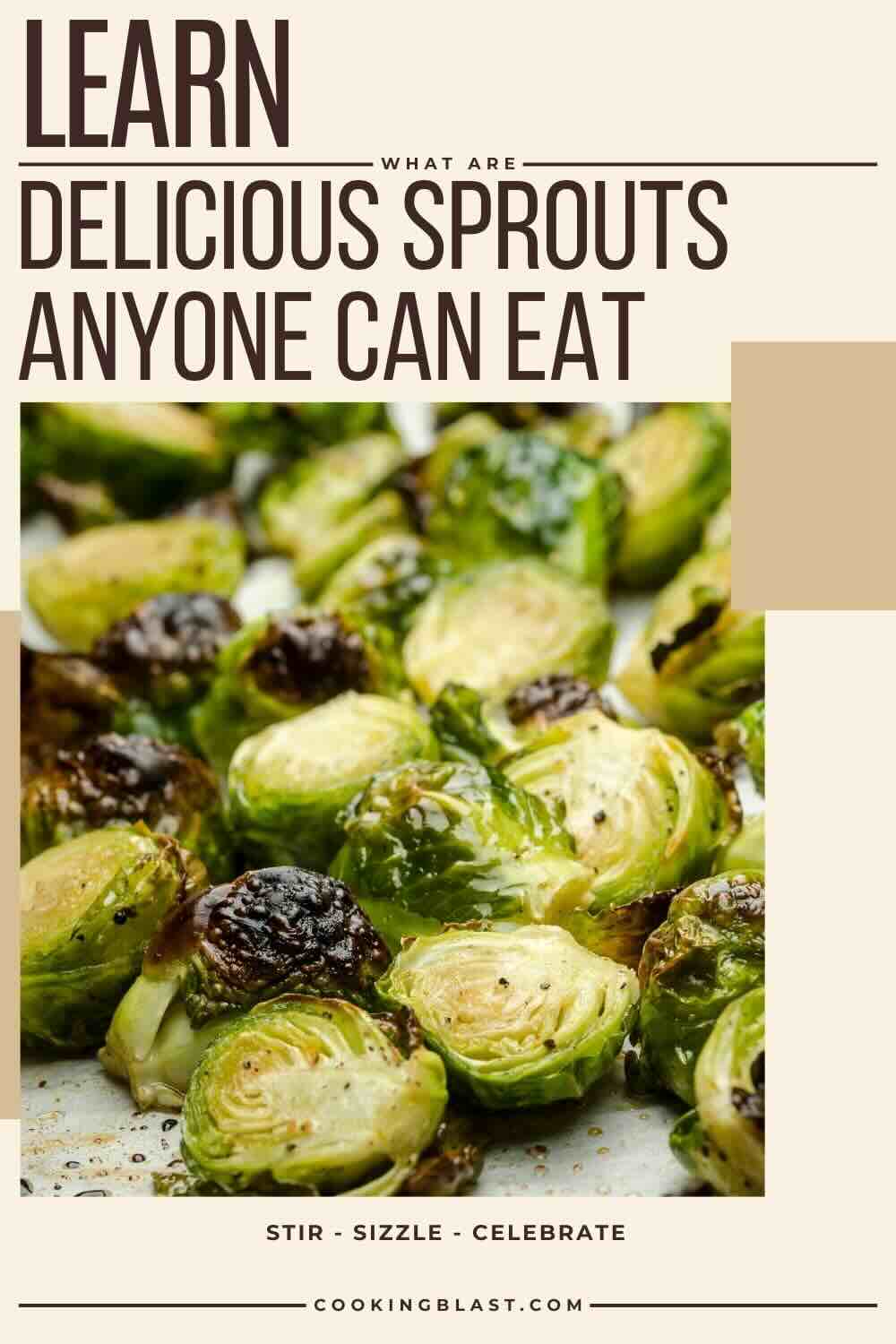
Roasting is one of the most effective ways to bring out the natural sweetness in Brussels sprouts. The high heat triggers the Maillard reaction, which is a chemical process that browns the surface and creates complex flavors.
Slice the sprouts in half, toss them in olive oil and roast them cut-side down on a baking sheet at 425°F. In about 20 minutes, the edges crisp up, the centers soften and any bitterness mellows into a nutty, caramelized bite.
Sauté for Depth and Acidity
Sautéing gives Brussels sprouts a quick, flavorful makeover. Start with halved or thinly sliced sprouts in a hot skillet with olive oil or butter. The goal is to sear, not steam, so keep the heat high enough to get color on the cut sides.
Add a splash of balsamic vinegar or lemon juice near the end for brightness. Want to layer in more flavor? Toss in shallots, garlic or even a bit of mustard. These ingredients work with the sprouts, rounding out any sharpness with complexity.
Skip the Boil
Boiling is where Brussels sprouts often go wrong. Submerging them in water not only dulls their color but also amplifies the release of sulfur compounds, leading to the smell that gave them their bad name. It also leaves them soggy and bland.
Steaming is gentler, but it still doesn’t bring out the depth of flavor that dry-heat methods like roasting or sautéing do. For crisp texture and complex taste, skip the boiling pot and reach for the oven or skillet instead.

Start Small, Win Big
When it comes to changing minds, subtle shifts go further than full-on reinvention. With the right entry points, even the most skeptical eater can discover there’s more to sprouts than bitterness and bad memories.
Start with Sweeter, Smaller Sprouts
Size matters when it comes to Brussels sprouts. The smaller ones are often younger, milder and naturally sweeter, with less of the intense bitterness that turns people off. They’re also quicker to cook and easier to blend into everyday meals.
Rather than serving a big bowl of them as a stand-alone side, try adding them in moderation, think a handful roasted and tossed into a grain bowl, or sautéed slivers folded into a stir-fry. This way, they complement rather than dominate the plate.
Go Raw for a Fresh Take
Raw Brussels sprouts might sound bold, but when shaved thin, they’re surprisingly approachable. This preparation softens both their texture and flavor, especially when paired with acidic ingredients like lemon juice or a vinaigrette.
Add olive oil, a pinch of salt and some shaved parmesan, and you’ve got a bright, crunchy slaw that feels more like a salad than a vegetable hurdle. It’s a great way to shift perceptions and showcase the sprout’s more delicate side.

Ease Them In, One Dish at a Time
Getting someone to enjoy Brussels sprouts doesn’t require a dramatic reveal; it’s more effective when done gradually. Start with familiar dishes and flavors they already enjoy. A few crisped sprout leaves tossed onto a pizza, or a spoonful folded into a creamy risotto, can ease the transition. It’s about letting the vegetable blend in first, then slowly become the star once trust is built.
From Avoidance to Appreciation
Brussels sprouts have long been dismissed, but the dislike often comes down to poor preparation and a bit of biology. With the right techniques, their flavors shift from sharp to crave-worthy, and even the most skeptical eaters can change their minds when the sprouts are cooked well and introduced with care.
Pin Now and Savor Later
Need Support or have Questions? Join us on Facebook.
Follow us on Pinterest, Instagram, TikTok, Flipboard, or YouTube.
For weekly New Recipes and a FREE E-Book get into our NEWSLETTER.
